If your home was built between 1978 and the mid-1990s, there's a good chance it has a type of plumbing called Poly-B. In this blog post, we will walk you through what Poly-B is, why it matters, how to identify it, and some simple steps you can take to keep your plumbing in good shape.
Poly-B — short for Polybutylene — is a type of plastic pipe that was commonly used in home plumbing from 1978 to the mid-1990s. While it was phased out and removed from the National Plumbing Code of Canada in 1997, and it was officially struck from the list of acceptable plumbing materials by the Canadian government in 2005. It was popular with builders at the time because it was affordable and easy to install.Over time, though, some homes with Poly-B plumbing began to experience leaks. In some cases, these leaks are slow and minor, which can eventually lead to water damage or mold if they go unnoticed for a long time.Most Poly-B pipes are usually grey, though you might also see black, white, or blue versions. If your home falls in that build year range, it's worth taking a look at your plumbing.
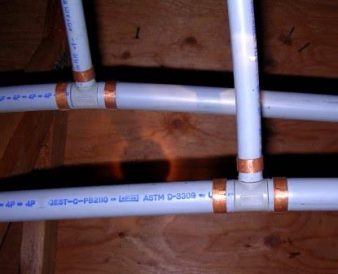
Some common reasons for Poly-B failing is:
Poly-B — short for Polybutylene — is a type of plastic pipe that was commonly used in home plumbing from 1978 to the mid-1990s. While it was phased out and removed from the National Plumbing Code of Canada in 1997, and it was officially struck from the list of acceptable plumbing materials by the Canadian government in 2005. It was popular with builders at the time because it was affordable and easy to install.Over time, though, some homes with Poly-B plumbing began to experience leaks. In some cases, these leaks are slow and minor, which can eventually lead to water damage or mold if they go unnoticed for a long time.Most Poly-B pipes are usually grey, though you might also see black, white, or blue versions. If your home falls in that build year range, it's worth taking a look at your plumbing.
Some common reasons for Poly-B failing is:
1. Fittings Wear Down
The plastic fittings that connect sections of pipe can become brittle and crack over the years. In some cases, fittings were installed a bit too tight, which added extra stress to the pipe.
The plastic fittings that connect sections of pipe can become brittle and crack over the years. In some cases, fittings were installed a bit too tight, which added extra stress to the pipe.
2. Pressure & Heat Sensitivity
Poly-B pipes are more sensitive to water pressure and heat compared to modern materials like copper or PEX. Since most homes deal with these conditions daily, it's just something to be aware of.
Poly-B pipes are more sensitive to water pressure and heat compared to modern materials like copper or PEX. Since most homes deal with these conditions daily, it's just something to be aware of.
3. Chlorine Exposure
Over long periods, small amounts of chlorine — which is naturally present in most municipal water — can gradually affect the pipe material.
If you do decide to replace Poly-B plumbing, costs typically range from $3,000 to $25,000, depending on your home's size and plumbing layout. It's a good thing to budget for, but not something that needs to happen overnight. We actually had clients who replaced all their Poly-B plumbing in a 2,400 sq. ft. townhome not too long ago, and it cost them around $15,000.
Here's some good news: it's completely fine to buy a home with Poly-B plumbing. Many homes across Canada still have it, and plenty of homeowners live comfortably with it for years.
That said, it's worth knowing that some insurance companies may ask about your plumbing type when you apply for coverage. Many insurers may outright decline to write a new policy IF poly-b is present and has not been dealt with. While others may exclude water damage coverage, increase the deductible or reduce coverage limits. Some insurers will agree to cover your home completely IF you agree to complete a full re-pipe in a set amount of time, this can vary from 6-12 months. The biggest problem in terms of getting insurance is not an increase of premiums but more so the eligibility. It is more than likely you will run into insurance companies NOT offering coverage. While replacing the fittings can appease some of the insurance providers most will look for a full replacement. If you do replace your poly-b to PEX or copper MAKE SURE YOU KEEP YOUR INVOICE or any proof of the work!
If you happen to have Poly-B plumbing, don't panic — here are five ways to protect your home while you plan for replacement:
1. Consider Upgrading Fittings
If your fittings are plastic, having a plumber swap them for copper or brass. This can improve durability — and as mentioned, may help with insurance.
If your fittings are plastic, having a plumber swap them for copper or brass. This can improve durability — and as mentioned, may help with insurance.
2. Check the Crimp Bands
Have yourself or a plumber take a look at the metal bands holding the pipes in place. If they seem overly tight, it's worth checking for any small cracks.
Have yourself or a plumber take a look at the metal bands holding the pipes in place. If they seem overly tight, it's worth checking for any small cracks.
3. Install a Pressure-Reducing Valve
At the end of the day, if your home has Poly-B plumbing, there's no need to panic — plenty of homes have it, and with a few simple updates, it can continue to work just fine. If you're buying a home with Poly-B, just remember to check in with your insurance provider about fittings, and consider having a plumber take a look at the overall system.
If you find poly-b plumbing in your home and need a plumber. Visit our website and download our buyers or sellers book which has a list of our trusted partners, including plumbers and contractors.
A pressure-reducing valve helps keep your water pressure in a healthy range — generally 40 to 60 PSI — which is easier on your pipes, fittings, and fixtures.
4. Filter Your Water (If Needed)
If you're in an area with higher chlorine levels, a simple filtration system at your main water line can help reduce long-term wear on the pipes.
5. Adjust Your Water Heater
Lowering your water heater temperature slightly can reduce stress on Poly-B pipes. That being said, be careful not to go too low, since that can allow bacteria to grow. Also, it's best if Poly-B pipes aren't connected directly to the hot water tank.At the end of the day, if your home has Poly-B plumbing, there's no need to panic — plenty of homes have it, and with a few simple updates, it can continue to work just fine. If you're buying a home with Poly-B, just remember to check in with your insurance provider about fittings, and consider having a plumber take a look at the overall system.
If you find poly-b plumbing in your home and need a plumber. Visit our website and download our buyers or sellers book which has a list of our trusted partners, including plumbers and contractors.